
English :
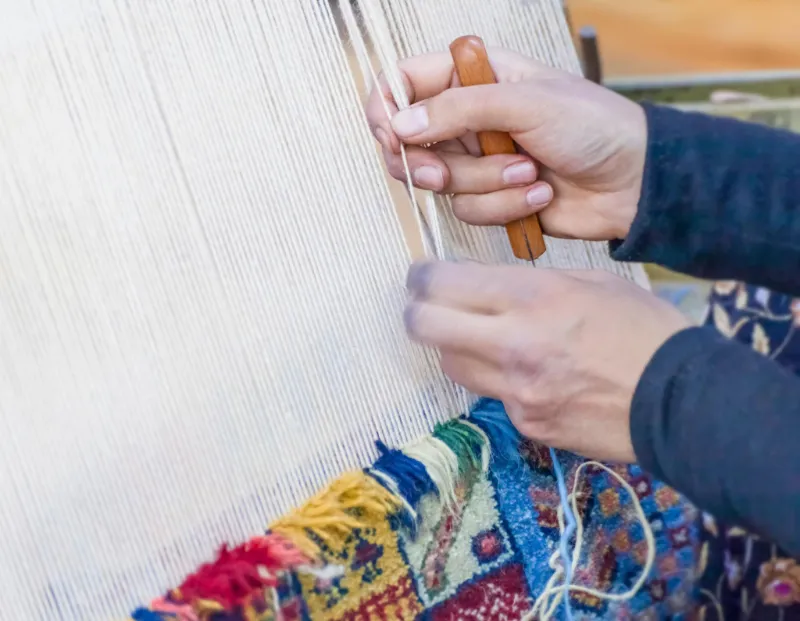
In a small town known for its rich handloom tradition lived an elderly weaver named Rahim. His house was simple, built of mud walls and a tiled roof, but inside it echoed the rhythmic music of the loom. From early morning until late evening, Rahim’s hands moved gracefully over threads, weaving intricate patterns into sarees that looked like poetry captured in fabric. For him, weaving was not just a profession it was devotion.
Rahim had learned the art from his father, who had learned it from his grandfather. Generations of patience, discipline, and pride lived in every thread he wove. Each saree took days, sometimes weeks, to complete. He chose colours carefully, treated every design like a story, and believed that every saree should carry a soul, not just stitches.
But times began to change. Power looms and factory machines entered the market. They produced sarees faster and cheaper. Gradually, customers stopped coming to Rahim. Shopkeepers preferred machine-made stock. Orders reduced. Income declined. Many fellow weavers left the craft and took up labour jobs in cities.
Neighbours advised Rahim, “Why struggle with this old work? Machines have taken over. Leave this and do something easier.”
Rahim would smile calmly and reply, “Machines can copy designs, but they cannot copy dedication. My hands don’t just weave cloth they weave tradition.”
Despite financial struggles, he continued working every day. Even when there were no buyers, he wove. Even when hope looked thin, he kept threading colours into dreams.
Years later, a young fashion designer visited the town while researching traditional textiles. She entered Rahim’s modest home and saw his sarees stacked neatly. When she touched the fabric, she was stunned by the detailing, texture, and life in each weave. She immediately recognized the rare craftsmanship.
She decided to showcase Rahim’s work in national exhibitions and international fashion platforms. Soon, the sarees that once gathered dust were displayed under bright lights. Orders started pouring in not just from cities, but from across the world.
Young artisans returned to learn from Rahim. Media interviewed him. His work was honoured. Yet, Rahim remained the same humble weaver.
When someone asked him, “How did you believe your work would succeed one day?”
Rahim smiled and said, “I never wove for success. I wove because it was my truth. I believed if the work is honest, recognition will find its way sooner or later.”
Passion, patience, and authenticity never go unnoticed. When work is done with honesty rather than desperation for success, recognition arrives naturally.
Source Credit: Google
Marathi :
हातमागासाठी प्रसिद्ध असलेल्या एका छोट्याशा गावात रहीम नावाचे वृद्ध विणकर राहत होते. त्यांचं घर साधं होतं मातीच्या भिंती, कौलं असलेलं छप्पर. पण घरात कायम हातमागाचा मंजुळ आवाज घुमत असे. पहाटेपासून रात्रीपर्यंत त्यांच्या हातांची लयबद्ध हालचाल सुरू असायची. त्यांच्या विणकामात केवळ धागे नव्हते भावना विणलेल्या असायच्या.
रहीमने हे कौशल्य आपल्या वडिलांकडून शिकलं होतं, आणि त्यांनी त्यांच्या वडिलांकडून. पिढ्यानपिढ्या चालत आलेली परंपरा प्रत्येक धाग्यात जिवंत होती. एक साडी तयार व्हायला अनेक दिवस लागत. रंगांची निवड, नक्षीची रचना प्रत्येक गोष्ट मनापासून केली जायची.
काळ बदलू लागला. बाजारात पॉवरलूम आणि मशीन आल्या. स्वस्त आणि जलद उत्पादनामुळे हातमागाची मागणी कमी झाली. ग्राहक कमी झाले. ऑर्डर्स थांबल्या. अनेक विणकरांनी गाव सोडून शहरात मजुरी स्वीकारली.
लोक रहीमला म्हणाले,
“हे जुनं काम सोडा. मशीनसमोर टिकणार नाही.”
रहीम शांतपणे म्हणाले,
“मशीन नक्षी बनवेल, पण जिद्द नाही. माझे हात कापड नाही परंपरा विणतात.”
आर्थिक अडचणी असूनही त्यांनी विणकाम थांबवलं नाही.
काही वर्षांनी एक फॅशन डिझायनर संशोधनासाठी गावात आली. रहीमच्या साड्या पाहून ती थक्क झाली. तिने त्या राष्ट्रीय आणि आंतरराष्ट्रीय प्रदर्शनात नेल्या. अचानक रहीमचं काम प्रकाशझोतात आलं. जगभरातून मागणी वाढली.
तरुण विणकर पुन्हा शिकायला आले. रहीमचा सन्मान झाला. पण ते तितकेच साधे राहिले.
यशाचं रहस्य विचारल्यावर ते म्हणाले,
“मी यशासाठी विणलं नाही सत्यासाठी विणलं. प्रामाणिक कामाचं कौतुक उशिरा का होईना, पण होतंच.”
जिद्द, संयम आणि प्रामाणिकता कधीच वाया जात नाही.
यशासाठी नव्हे तर मनापासून केलेल्या कामाचं कौतुक उशिराका होईना, पण नक्की होतं.
Source Credit: Google