
English :
In a busy village surrounded by farms and markets lived a skilled blacksmith named Gopal. His workshop stood near the centre of the village, where the sound of hammer striking iron could be heard from morning until evening. Farmers came to him with broken ploughs, carpenters brought damaged tools, and travellers asked him to repair worn-out horseshoes.
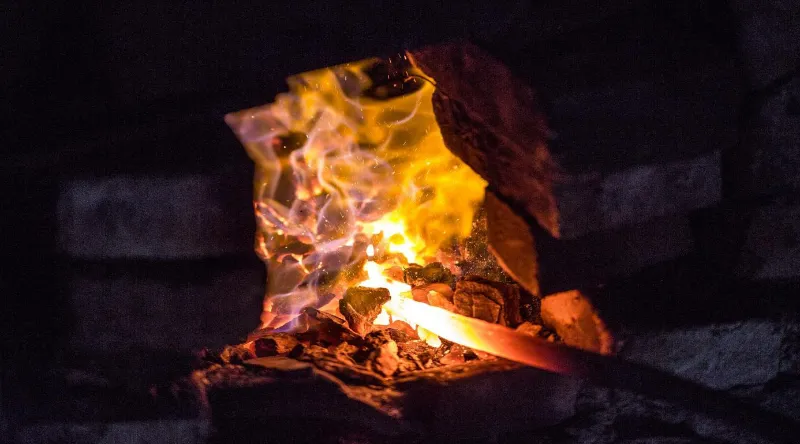
Gopal was known not only for his strength but also for his patience. No matter how damaged a tool was, he never rushed his work. He believed that every piece of iron still had value if it was treated properly. His small workshop glowed with the orange light of the furnace, and sparks danced in the air as he worked.
One day, a young boy named Arjun came to learn from him. Watching Gopal place a solid iron rod into the blazing fire, Arjun asked,
“Master, why do you put strong iron into such intense heat? Won’t it destroy it?”
Gopal smiled but did not answer immediately. He waited until the iron turned red-hot and soft. Then he carefully lifted it with tongs, placed it on the anvil, and began shaping it with steady hammer strikes.
With each strike, the rough metal slowly changed its form. What was once a useless rod becoming a sharp farming tool. After cooling it in water, the metal had become stronger and more useful than before.
Gopal then turned to Arjun and said,
“Cold iron resists change. Fire softens it. Hammering shapes, it. Cooling strengthens it. Without each step, this iron could never become something valuable.”
Arjun stood quietly, understanding the deeper lesson. Just like iron, people often become stronger through hardship, discipline, and pressure. Difficult times do not always destroy us many times, they prepare us for a greater purpose.
Hardships, discipline, and pressure are not always meant to break us. Many times, they shape us into stronger, wiser, and more capable people. Just as iron becomes useful through fire and hammering, people often discover their true strength during difficult times.
Source Credit: Google
Marathi :
शेतं, बाजारपेठ आणि गजबजलेल्या रस्त्यांनी वेढलेल्या एका गावात गोपाळ नावाचा एक कुशल लोहार राहत होता. गावाच्या मध्यभागी त्याची छोटी भट्टी होती. सकाळपासून संध्याकाळपर्यंत हातोड्याचे आवाज तिथून ऐकू येत असत. शेतकरी तुटलेले नांगर घेऊन येत, सुतार खराब साधनं आणत, आणि प्रवासी घोड्यांच्या नालांची दुरुस्ती करून घेत असत.
गोपाळ फक्त ताकदीसाठी नव्हे, तर संयमासाठीही प्रसिद्ध होता. कितीही खराब वस्तू आली तरी तो घाई करत नसे. त्याचा विश्वास होता की योग्य प्रकारे घडवलं तर प्रत्येक लोखंडात अजूनही किंमत असते. त्याच्या भट्टीत नेहमी अग्नीचा तेजस्वी प्रकाश असायचा आणि ठिणग्या हवेत उडत असत.
एके दिवशी अर्जुन नावाचा एक मुलगा त्याच्याकडे शिकण्यासाठी आला. गोपाळने एक जाड लोखंडी रॉड लालभडक आगीत ठेवली तेव्हा अर्जुनने विचारलं,
“गुरुजी, एवढं मजबूत लोखंड इतक्या आगीत का टाकता? ते नष्ट होणार नाही का?”
गोपाळ हसला, पण लगेच उत्तर दिलं नाही. काही वेळाने लोखंड लालभडक आणि मऊ झालं. त्याने चिमट्याने ते बाहेर काढलं, ऐरणीवर ठेवलं आणि शांतपणे हातोड्याने आकार द्यायला सुरुवात केली.
प्रत्येक प्रहारानंतर त्या लोखंडाचा आकार बदलू लागला. जे आधी फक्त एक साधा तुकडा होतं, ते हळूहळू धारदार शेतीच्या अवजारात बदललं. नंतर त्याने ते पाण्यात बुडवून थंड केलं. आता ते अधिक मजबूत आणि उपयोगी बनलं होतं.
गोपाळ अर्जुनकडे पाहत म्हणाला,
“थंड लोखंड बदल स्वीकारत नाही. आग त्याला मऊ करते. हातोड्याचे प्रहार त्याला आकार देतात. आणि थंड पाणी त्याला अधिक मजबूत करतं. या प्रत्येक टप्प्याशिवाय हे लोखंड मौल्यवान बनू शकत नाही.”
अर्जुन शांतपणे उभा राहिला. त्याला त्या शब्दांमागचा अर्थ समजला. माणूसही लोखंडासारखाच असतो. अडचणी, शिस्त, संघर्ष आणि दडपण यांमधूनच तो अधिक मजबूत, सक्षम आणि मूल्यवान बनतो.
अडचणी, शिस्त आणि दडपण हे नेहमी आपल्याला तोडण्यासाठी नसतात. अनेकदा ते आपल्याला अधिक मजबूत, शहाणं आणि सक्षम बनवण्यासाठी असतात. जसं लोखंड आगीत तापून आणि प्रहार सहन करून उपयोगी बनतं, तसंच माणूसही कठीण प्रसंगांतून आपली खरी ताकद शोधतो.
Source Credit: गूगल